
Infection Prevention Tips for Dialysis Patients
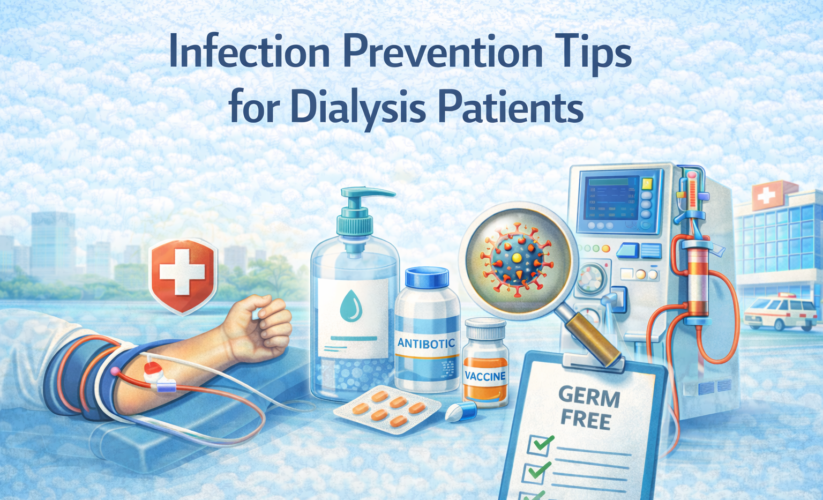
Dialysis is a life-saving treatment for people with advanced kidney disease, but it also increases the risk of infections if proper precautions are not followed. Infections are one of the most common complications faced by dialysis patients, especially those undergoing long-term treatment. The good news is that most dialysis-related infections are preventable with the right care, awareness, and medical supervision.
This blog explains practical infection prevention tips for dialysis patients, the role of a trusted dialysis center in Gurgaon, and why guidance from an experienced dialysis specialist in Gurgaon is essential for safe and effective kidney care.
Why Are Dialysis Patients More Prone to Infections?
Dialysis patients have a higher risk of infections due to several reasons:
- Reduced immunity caused by kidney failure
- Frequent needle insertions or catheter use
- Long hours spent in dialysis units
- Presence of vascular access (fistula, graft, or catheter)
- Other conditions like diabetes or malnutrition
Because infections can lead to hospitalization and serious complications, prevention is a critical part of dialysis care.
Common Types of Infections in Dialysis Patients
Understanding common infection risks helps patients stay alert.
1. Vascular Access Infections
Infections can occur at:
- AV fistula site
- AV graft site
- Dialysis catheter exit site
Catheters carry a higher infection risk compared to fistulas.
2. Bloodstream Infections
Bacteria entering the bloodstream during dialysis can cause severe illness if not treated early.
3. Respiratory & Skin Infections
Weak immunity makes dialysis patients more susceptible to common infections like flu, pneumonia, and skin infections.
Infection Prevention Tips for Dialysis Patients
1. Maintain Excellent Hand Hygiene
- Wash hands thoroughly before and after dialysis
- Use alcohol-based sanitizer when handwashing is not possible
- Ensure caregivers and staff also follow strict hand hygiene
Hand hygiene is the simplest and most effective infection prevention step.
2. Take Proper Care of Dialysis Access
Your dialysis access is your lifeline.
For fistula or graft:
- Keep the area clean and dry
- Check daily for redness, pain, swelling, or discharge
- Avoid scratching or injuring the access site
For catheters:
- Keep dressings clean and dry
- Never touch the catheter opening
- Do not allow untrained persons to handle it
Any sign of infection should be reported immediately to your dialysis specialist in Gurgaon.
3. Choose a Safe Dialysis Center
A reliable dialysis center in Gurgaon follows strict infection-control protocols, including:
- Regular disinfection of machines
- Sterile needle and tubing use
- Trained dialysis staff
- Proper waste disposal
- Clean and hygienic environment
The quality of the dialysis center directly impacts infection risk.
4. Follow Dialysis Schedule Consistently
Skipping or shortening dialysis sessions can weaken the body further and increase infection risk. Regular dialysis helps maintain:
- Better immunity
- Balanced fluid levels
- Reduced toxin buildup
Consistency is key to staying healthy.
5. Keep Vaccinations Up to Date
Dialysis patients are advised to take vaccines such as:
- Hepatitis B
- Influenza (flu vaccine)
- Pneumococcal vaccine
Your dialysis specialist in Gurgaon will guide you on the appropriate vaccination schedule.
6. Maintain Good Personal Hygiene
- Bathe regularly
- Keep skin moisturized to avoid cracks
- Wear clean clothes to dialysis sessions
- Avoid sharing personal items
Healthy skin acts as a barrier against infections.
7. Eat a Kidney-Friendly, Nutritious Diet
Good nutrition strengthens immunity. Follow dietary advice that includes:
- Adequate protein intake (as advised)
- Vitamins and minerals recommended by your doctor
- Proper fluid management
A dietitian-guided plan supports overall infection resistance.
8. Monitor for Early Signs of Infection
Early detection prevents serious complications. Watch out for:
- Fever or chills
- Redness, pain, or swelling at access site
- Pus or discharge
- Sudden weakness or confusion
Do not ignore these signs—seek medical attention immediately.
Role of a Dialysis Specialist in Infection Prevention
A qualified dialysis specialist in Gurgaon plays a vital role in:
- Selecting the safest dialysis access
- Monitoring access health regularly
- Managing infections at early stages
- Adjusting dialysis protocols when needed
- Educating patients and families
Specialist-led care significantly reduces infection-related complications.
Expert Dialysis Care by Dr. Shashidhar Shree Niwas
Dr. Shashidhar Shree Niwas is a highly experienced nephrologist known for comprehensive kidney disease and dialysis management. His approach to dialysis care emphasizes:
- Infection prevention and patient safety
- Proper access planning
- Personalized dialysis protocols
- Long-term patient education and follow-up
Under expert supervision, dialysis patients can achieve better health stability and fewer hospitalizations.
How Families Can Help Prevent Infections
Family support plays a big role in infection prevention:
- Help patients maintain hygiene
- Encourage medication adherence
- Ensure timely medical visits
- Watch for early warning signs
Educated caregivers help reduce risks significantly.
When to Seek Immediate Medical Help
Contact your dialysis team or dialysis center in Gurgaon immediately if:
- Fever persists
- Access site looks infected
- You feel unusually weak or breathless
- There is sudden pain or bleeding at the access site
Prompt action saves lives.
Conclusion
Infections are a serious but largely preventable risk for dialysis patients. By following proper hygiene, caring for dialysis access, choosing a trusted dialysis center in Gurgaon, and staying under the supervision of an experienced dialysis specialist in Gurgaon, patients can significantly reduce infection risks.
With expert guidance from specialists like Dr. Shashidhar Shree Niwas, dialysis patients can lead safer, healthier, and more confident lives. Prevention, awareness, and timely care make all the difference.