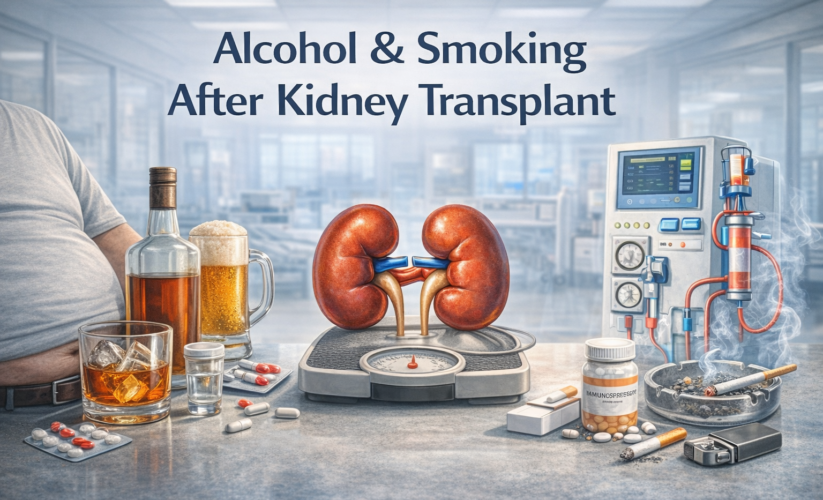
Alcohol & Smoking After Kidney Transplant: Medical Advice
A kidney transplant is a life-changing procedure that offers patients freedom from dialysis and a better quality of life. However, long-term transplant success depends heavily on lifestyle choices—especially when it comes to alcohol and smoking. Many patients ask an important question after surgery:
Can I drink alcohol or smoke after a kidney transplant?
Medical science strongly emphasizes that both alcohol and smoking can impact transplant outcomes. In this blog, we explain the risks, safe practices, and expert recommendations for patients who have undergone Kidney Transplant in Gurgaon, along with guidance from an experienced nephrologist in Gurgaon.
Life After Kidney Transplant: Why Lifestyle Matters
After a kidney transplant, patients must take lifelong immunosuppressive medications to prevent organ rejection. These medicines suppress the immune system, making the body more vulnerable to infections and other complications.
The transplanted kidney also needs protection from:
- High blood pressure
- Diabetes
- Infections
- Toxic substances
Lifestyle choices like smoking and excessive alcohol consumption can directly affect kidney health and transplant longevity.
Alcohol After Kidney Transplant: Is It Safe?
Occasional, Limited Consumption May Be Allowed
In some cases, moderate alcohol intake may be permitted after recovery—but only under medical supervision.
However, there are important considerations.
Risks of Alcohol After Kidney Transplant
1. Interaction with Immunosuppressive Medicines
Many transplant medications are processed through the liver. Alcohol can:
- Interfere with medication metabolism
- Increase liver stress
- Reduce drug effectiveness
- Increase side effects
2. Increased Blood Pressure
Alcohol can raise blood pressure, which is one of the biggest threats to transplanted kidney function.
3. Risk of Dehydration
Alcohol acts as a diuretic and can cause dehydration, putting strain on the transplanted kidney.
4. Higher Risk of Post-Transplant Diabetes
Some transplant medications already increase the risk of diabetes. Alcohol can worsen blood sugar control.
Medical Advice on Alcohol After Kidney Transplant
According to transplant guidelines:
- Avoid alcohol completely during the early recovery period
- If allowed later, limit intake strictly
- Never drink heavily or binge drink
- Always consult your nephrologist in Gurgaon before consuming alcohol
Each patient’s medical history determines what is safe.
Smoking After Kidney Transplant: A Serious Risk
Unlike moderate alcohol consumption, smoking is strongly discouraged after kidney transplantation.
Why Smoking Is Dangerous After Transplant
1. Increased Risk of Organ Rejection
Smoking reduces blood flow and damages blood vessels, which may impair graft survival.
2. Higher Risk of Cardiovascular Disease
Heart disease is a leading cause of death in kidney transplant patients. Smoking significantly increases this risk.
3. Higher Risk of Infections
Since transplant patients take immunosuppressants, smoking further weakens immune defense.
4. Cancer Risk
Post-transplant patients already have a slightly increased risk of certain cancers due to immunosuppression. Smoking further elevates this risk.
5. Reduced Long-Term Graft Survival
Studies show that smokers may experience shorter graft survival compared to non-smokers.
What Medical Science Says
Research clearly indicates:
✔ Smoking negatively impacts long-term kidney transplant outcomes
✔ Smoking increases cardiovascular complications
✔ Smoking reduces life expectancy after transplant
For these reasons, transplant teams strongly recommend complete smoking cessation.
What If You Were a Smoker Before Transplant?
Patients who smoke are usually advised to:
- Quit before transplant surgery
- Undergo counseling programs
- Use nicotine replacement therapy if needed
Stopping smoking even after a transplant significantly improves long-term outcomes.
Expert Advice from Dr. Shashidhar Shree Niwas
Dr. Shashidhar Shree Niwas, an experienced nephrologist managing patients undergoing kidney transplants in Gurgaon, emphasizes that lifestyle modification is just as important as surgery.
His approach includes:
- Pre-transplant counseling on smoking cessation
- Post-transplant metabolic monitoring
- Blood pressure and sugar control
- Long-term kidney protection strategies
He advises patients that protecting the transplanted kidney requires disciplined lifestyle choices.
Healthier Alternatives & Positive Lifestyle Changes
Instead of alcohol and smoking, transplant patients are encouraged to:
- Follow a kidney-friendly diet
- Engage in moderate physical activity
- Maintain healthy body weight
- Stay hydrated
- Attend regular follow-up visits
- Monitor blood pressure and sugar
Healthy habits directly improve transplant longevity.
When Should You Consult a Nephrologist?
After kidney transplant, consult your nephrologist in Gurgaon if you experience:
- Elevated blood pressure
- Changes in kidney function reports
- Persistent cough (if smoker)
- High blood sugar levels
- Medication side effects
Regular monitoring ensures early detection of complications.
Final Medical Recommendation
🔹 Smoking – Strongly discouraged and should be stopped completely.
🔹 Alcohol – May be allowed in limited amounts in select cases, only with medical approval.
Every patient’s situation is unique, so always follow personalized medical advice.
Conclusion
A kidney transplant offers a second chance at life—but protecting that gift requires responsible lifestyle choices. Smoking significantly increases risks and should be avoided entirely. Alcohol, if permitted, must be consumed cautiously and under medical supervision.
Patients undergoing a kidney transplant in Gurgaon should work closely with an experienced nephrologist in Gurgaon, such as Dr. Shashidhar Shree Niwas, to ensure optimal long-term transplant success and improved quality of life.
Healthy kidneys deserve healthy habits.