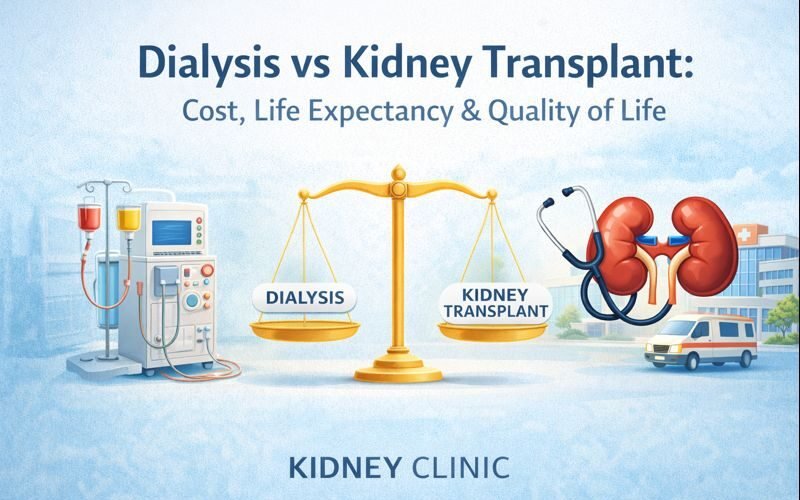
Dialysis vs Kidney Transplant: Cost, Life Expectancy & Quality of Life
When kidney function declines severely, patients and families are often faced with a critical decision: continue long-term dialysis or opt for a kidney transplant. Both treatments are life-saving, but they differ significantly in terms of cost, life expectancy, daily lifestyle, and long-term outcomes.
This detailed guide compares Dialysis vs Kidney Transplant to help patients make an informed decision—especially those seeking treatment at a trusted dialysis center in Gurgaon or consultation with an experienced dialysis specialist in Gurgaon like Dr. Shashidhar Shree Niwas.
Understanding Dialysis and Kidney Transplant
What Is Dialysis?
Dialysis is a treatment that artificially removes waste, toxins, and excess fluid from the blood when the kidneys can no longer perform this function. It partially replaces kidney function and must be continued regularly to sustain life.
There are different dialysis modalities, including:
- Hemodialysis (done at a dialysis center)
- Peritoneal Dialysis (can be done at home)
- Advanced therapies like HDF and CRRT (for specific patients)
Patients undergoing dialysis require lifelong treatment unless they receive a kidney transplant.
What Is a Kidney Transplant?
A kidney transplant is a surgical procedure in which a healthy kidney from a living or deceased donor is placed into a patient with kidney failure. The transplanted kidney takes over nearly all kidney functions naturally.
Unlike dialysis, a successful transplant can restore near-normal kidney function and free the patient from regular dialysis sessions.
Dialysis vs Kidney Transplant: Key Differences at a Glance
| Aspect | Dialysis | Kidney Transplant |
| Treatment Type | Ongoing, lifelong | One-time surgery + lifelong care |
| Kidney Function | Partial replacement | Near-normal restoration |
| Frequency | Multiple sessions weekly | No dialysis after recovery |
| Lifestyle | Restricted | More flexible |
| Long-Term Outcome | Limited | Better survival & quality of life |
Cost Comparison: Dialysis vs Kidney Transplant
Cost of Dialysis
Dialysis may seem more affordable initially, but it becomes expensive over time.
Key cost factors include:
- Regular dialysis sessions (weekly or daily)
- Medications
- Blood tests and monitoring
- Travel and time costs
Over several years, long-term dialysis can exceed the overall cost of a kidney transplant.
Patients seeking care at a reliable dialysis center in Gurgaon benefit from modern machines, trained staff, and medical supervision, but the recurring cost remains significant.
Cost of Kidney Transplant
A kidney transplant involves a higher upfront cost due to:
- Pre-transplant evaluation
- Surgery
- Hospital stay
- Initial medications
However, after the first year, ongoing costs mainly involve follow-up visits and medicines, which are generally lower than lifelong dialysis expenses.
Long-term, kidney transplant is often more cost-effective than dialysis.
Life Expectancy: Which Option Offers Better Survival?
Life Expectancy on Dialysis
Dialysis helps patients survive kidney failure, but it does not fully replace kidney function. Life expectancy depends on:
- Age
- Overall health
- Presence of diabetes or heart disease
- Dialysis adequacy and consistency
While many patients live for years on dialysis, survival rates are generally lower compared to kidney transplant recipients.
Life Expectancy After Kidney Transplant
Kidney transplant patients typically live longer than those on long-term dialysis.
Benefits include:
- Lower risk of heart disease
- Better nutrition and metabolism
- Improved immunity (with proper care)
- Reduced hospitalizations
Under the guidance of experienced specialists like Dr. Shashidhar Shree Niwas, transplant patients achieve excellent long-term outcomes through careful monitoring and medication management.
Quality of Life: Day-to-Day Living Matters
Quality of Life on Dialysis
Patients on dialysis often experience:
- Fixed treatment schedules
- Dietary and fluid restrictions
- Fatigue after sessions
- Limited travel flexibility
Even at a well-equipped dialysis center in Gurgaon, patients must plan their lives around dialysis sessions, which can impact work, family time, and mental health.
Quality of Life After Kidney Transplant
Most transplant patients report a dramatic improvement in daily life, including:
- Freedom from dialysis schedules
- Improved energy levels
- Better appetite and sleep
- Ability to return to work and travel
- Fewer dietary restrictions
For many families, transplant offers not just longer life—but a better life.
Medical Risks: Dialysis vs Transplant
Risks Associated with Dialysis
- Low blood pressure
- Infections at access site
- Anemia
- Bone disease
- Cardiovascular strain
These risks increase with long-term dialysis dependency.
Risks Associated with Kidney Transplant
- Organ rejection
- Infections due to immunosuppressive drugs
- Medication side effects
However, with expert care from a skilled dialysis specialist in Gurgaon and transplant physician, these risks are carefully managed and minimized.
Who Should Continue Dialysis?
Dialysis may be the preferred option for:
- Patients not medically fit for surgery
- Those without a suitable donor
- Patients with active infections or severe heart disease
- Individuals awaiting transplant evaluation
A personalized assessment is essential before making a decision.
Who Is a Good Candidate for Kidney Transplant?
Kidney transplant is often recommended for:
- Patients with end-stage kidney disease
- Individuals with good heart and lung function
- Patients who can adhere to lifelong medication and follow-ups
- Those seeking better long-term quality of life
Consultation with an experienced nephrologist helps determine eligibility.
Expert Opinion Matters: Consult the Right Specialist
Choosing between dialysis and transplant is not just a medical decision—it’s a life decision. An experienced nephrologist plays a crucial role in guiding patients through this choice.
Dr. Shashidhar Shree Niwas, a highly respected nephrologist and dialysis specialist in Gurgaon, is known for:
- Managing advanced kidney disease
- Providing expert dialysis care
- Guiding patients through transplant evaluation
- Offering long-term post-treatment support
His patient-centric approach ensures that every treatment plan is tailored to medical needs, lifestyle, and long-term goals.
Final Verdict: Dialysis or Kidney Transplant?
There is no one-size-fits-all answer.
- Dialysis is life-saving and essential, especially when transplant is not immediately possible.
- Kidney transplant offers better survival, lower long-term cost, and superior quality of life for suitable candidates.
The best choice depends on medical fitness, availability of a donor, financial planning, and personal preference.
Conclusion
Both dialysis and kidney transplant are critical treatments for kidney failure. However, when comparing cost, life expectancy, and quality of life, kidney transplant often emerges as the preferred long-term solution for eligible patients.
If you or a loved one is managing kidney disease, consult an experienced dialysis specialist in Gurgaon at a trusted dialysis center in Gurgaon to explore the best treatment path forward. Early guidance and expert care can make a life-changing difference.