
Impact of Obesity on Kidney Transplant Outcomes
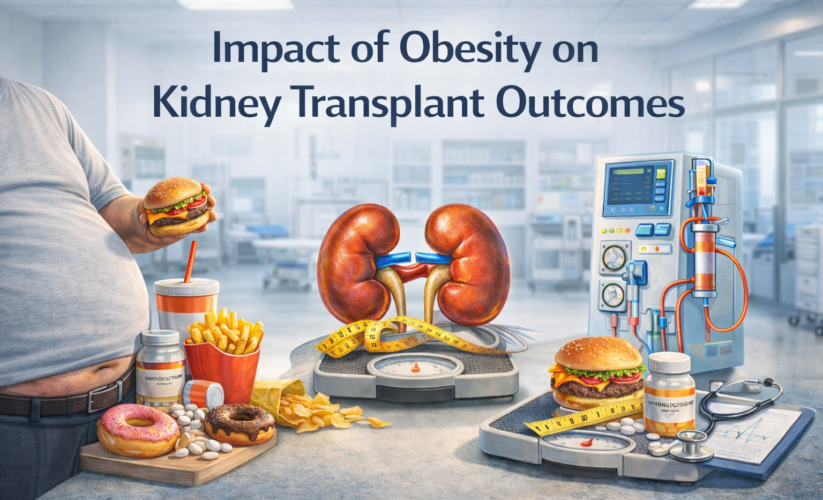
Obesity has become a major global health concern and is closely linked to conditions such as diabetes, high blood pressure, heart disease, and kidney disease. For patients with advanced kidney failure, kidney transplantation offers the best long-term outcomes. However, obesity can significantly influence kidney transplant results, from eligibility and surgery to long-term graft survival.
This blog explains the impact of obesity on kidney transplant outcomes, why weight management is crucial, and how expert care during Chronic Kidney Disease treatment and transplant planning—especially for patients considering Kidney Transplant in Gurgaon—can improve success rates.
Understanding the Link Between Obesity and Kidney Disease
Obesity increases the risk of developing:
- Type 2 diabetes
- Hypertension
- Metabolic syndrome
All of these are leading causes of Chronic Kidney Disease (CKD). Excess body weight puts additional strain on the kidneys, leading to increased filtration pressure and gradual kidney damage. Over time, this may progress to end-stage kidney disease requiring dialysis or transplant.
Does Obesity Affect Eligibility for Kidney Transplant?
Obesity does not automatically disqualify a patient from kidney transplantation, but it can affect transplant eligibility and timing.
Key Considerations
- Higher surgical risk during transplant
- Increased risk of wound complications
- Greater chance of infections
- Slower recovery after surgery
Many transplant centers recommend weight optimization before listing for transplant to improve outcomes and patient safety.
Impact of Obesity on Kidney Transplant Surgery
1. Surgical Challenges
In obese patients, kidney transplant surgery may be technically more complex due to:
- Increased abdominal fat
- Longer operative time
- Higher anesthesia-related risks
These factors may increase the risk of surgical complications if not carefully managed.
2. Post-Surgical Complications
Studies show that obese transplant recipients may have a higher risk of:
- Delayed wound healing
- Surgical site infections
- Hernia formation
- Blood clots
However, with modern surgical techniques and expert post-operative care, many of these risks can be significantly reduced.
Obesity and Graft Survival (Transplanted Kidney Health)
The long-term success of a kidney transplant depends on how well the transplanted kidney functions over time.
How Obesity Can Affect Graft Outcomes
- Increased risk of delayed graft function
- Higher chances of rejection episodes
- Faster progression of diabetes or hypertension post-transplant
- Greater stress on the transplanted kidney
That said, research also shows that successful kidney transplant outcomes are possible in obese patients when weight, blood sugar, and blood pressure are well controlled.
Life Expectancy & Quality of Life After Transplant in Obese Patients
Compared to remaining on long-term dialysis, kidney transplant still offers better survival and quality of life—even for obese patients.
Benefits include:
- Improved energy levels
- Better heart health compared to dialysis
- Freedom from frequent dialysis sessions
- Enhanced daily functioning
Weight management after transplant plays a critical role in maintaining these benefits long term.
Importance of Weight Management Before and After Transplant
Before Transplant
- Weight loss may reduce surgical risks
- Better control of diabetes and blood pressure
- Higher chances of being listed earlier for transplant
After Transplant
- Prevents excessive weight gain due to steroid medicines
- Reduces risk of post-transplant diabetes
- Protects the transplanted kidney
Weight management is often integrated into Chronic Kidney Disease treatment plans well before transplant evaluation begins.
Role of Lifestyle & Medical Support
Managing obesity in kidney disease patients requires a multidisciplinary approach, including:
- Nephrologist guidance
- Dietician-led kidney-friendly weight plans
- Safe physical activity recommendations
- Monitoring of metabolic health
Crash diets or unsupervised weight-loss methods should be avoided, especially in patients with advanced CKD.
Expert Perspective: Dr. Shashidhar Shree Niwas
According to Dr. Shashidhar Shree Niwas, obesity should be viewed as a modifiable risk factor, not a permanent barrier to transplantation.
With proper planning during Chronic Kidney Disease treatment, weight optimization, and close medical supervision, many obese patients can safely undergo Kidney Transplant in Gurgaon and achieve excellent long-term outcomes.
His approach emphasizes:
- Early counseling
- Gradual, safe weight reduction
- Metabolic control
- Personalized transplant readiness evaluation
Can Obese Patients Still Have Successful Kidney Transplant Outcomes?
Yes. Medical evidence shows that:
- Obese patients benefit significantly from kidney transplantation compared to dialysis
- Careful patient selection and preparation improve outcomes
- Post-transplant lifestyle management is key
Success depends less on weight alone and more on overall health optimization and expert care.
When Should Obese CKD Patients Seek Transplant Evaluation?
Patients with obesity and advanced CKD should seek early transplant counseling if they have:
- Progressive decline in kidney function
- Long-term dialysis dependence
- Difficulty controlling blood pressure or diabetes
- Desire for better long-term quality of life
Early evaluation allows time for medical optimization and weight management before surgery.
Conclusion
Obesity can influence kidney transplant outcomes, but it does not eliminate the possibility of a successful transplant. With proper Chronic Kidney Disease treatment, structured weight management, and guidance from experienced specialists, obese patients can achieve safe surgery, good graft function, and improved quality of life.
For those considering a kidney transplant in Gurgaon, early consultation with an experienced nephrologist like Dr. Shashidhar Shree Niwas helps address obesity-related risks proactively—turning challenges into manageable factors and improving long-term transplant success.